There’s a particular kind of comfort that arrives the moment you start making something with your hands. You know that feeling? When you doodle in the corner of a notebook (or scribble in Procreate), or notice a strangely beautiful shadow and instinctively snap a photo.
We often think of “the arts” as something grand – galleries, masterpieces, talent. But in real life, the healing power of art sneaks in quietly. It shows up in tiny creative choices we make without even noticing. A splash of colour. A melody that lifts us. A story that helps something inside click back into place.
Creative sparks are small, but the shift they create inside you is surprisingly big.
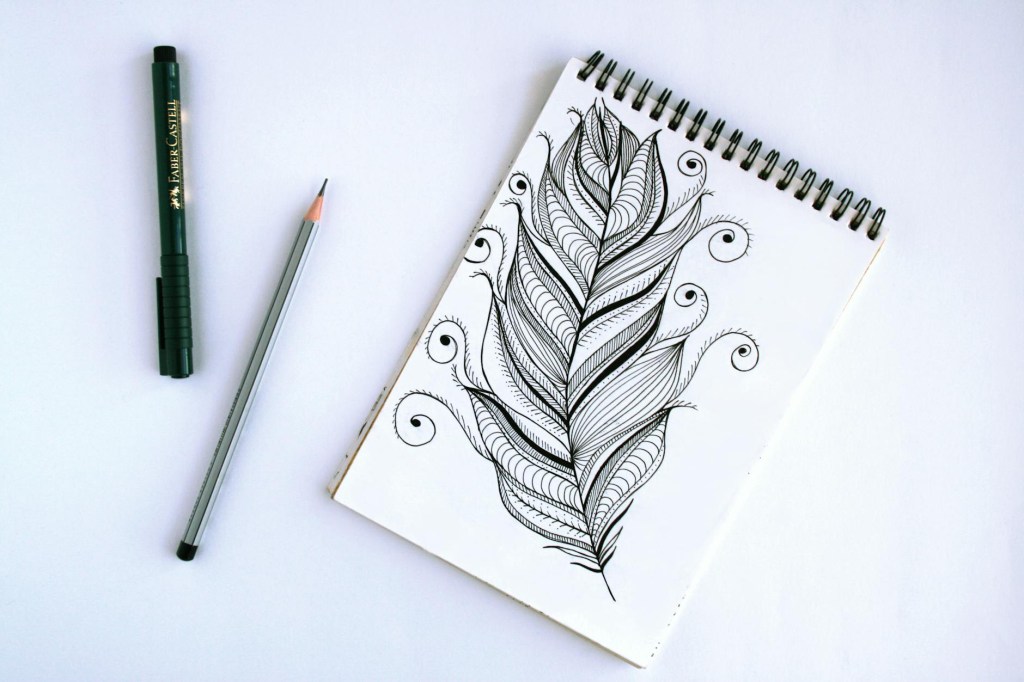
This Spark is about…
…inviting more art, more play, and more tiny creative moments into your day – not the perfect, museum-worthy kind, but the scrappy, joyful kind that gives your mind room to breathe. This spark is about using simple acts of creativity to regulate your emotions, soothe your nervous system, and reconnect with curiosity.
Research and Psychology Insights
Neuroaesthetics research reveals something remarkable: engaging with art – even briefly – creates measurable changes in your brain.
- Just 45 minutes of art-making significantly reduces cortisol levels in about 75% of people, no skill required.
- Creative activity floods the brain with dopamine, activating reward pathways and shifting the nervous system into a calmer, more spacious state.
- Repetitive artistic motions (drawing, collaging, stitching) support emotional regulation and enhance neuroplasticity – your brain’s ability to adapt, reorganise, and grow.
Art doesn’t just feel good. It changes your inner chemistry.
Why it Matters
We live in a world that demands productivity, response, and constant alertness. Creativity offers the opposite – a pause, a widening, a place to express what doesn’t fit neatly into words.
Art helps metabolise emotion – what psychologists call symbolic processing – giving shape to what feels tangled, heavy, or unsayable.
Current research (2025) confirms that arts-based activities improve anxiety, depression, stress, executive function, memory, and even PTSD symptoms. Over time, small creative practices strengthen identity, build resilience, and reconnect us with curiosity – a key ingredient in wellbeing at any age.
And perhaps most beautifully: creativity cultivates connection. Anyone who has seen a group of adults bond over colouring knows the magic – the chatting, the relaxing, and that subtle lift in the air as colours come alive.
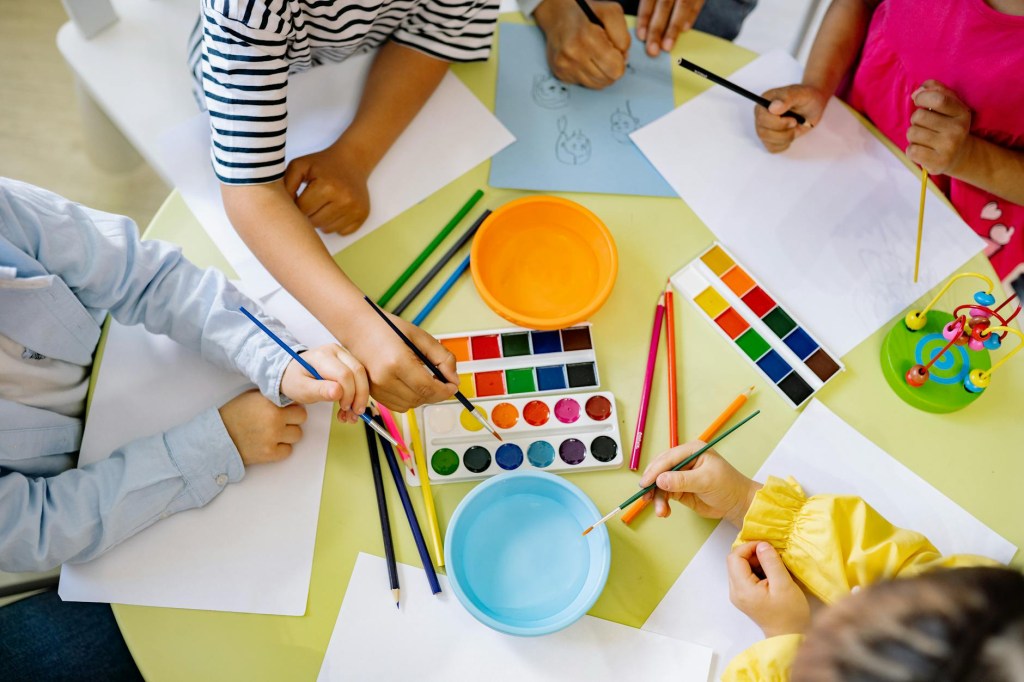
✨ A Few Sparks to Try
1. Colour Pause
Create a tiny burst of colour – a swirl, a dot, a wild gradient.
Why it works: Colour engages sensory pathways that soothe the nervous system. Warm colours lift energy; cool colours invite calm.
2. Micro-Melody Moment
Hum a tune for 10–15 seconds or replay a comforting line.
Why it works: Music regulates breath, heartbeat, and emotional rhythms. Music therapy studies show improvements in stress, mood, and memory.
3. Story Snapshot
Take a photo of something that catches your eye and give it a one-sentence story.
Why it works: Turning observation into narrative boosts meaning-making, creativity, and mental flexibility.
4. Texture Touch-In
Hold something with an interesting texture for one slow breath.
Why it works: Tactile engagement anchors the body, interrupts rumination, and enhances mindfulness.
5. Doodle Drift
Let your pen wander without direction for one minute.
Why it works: Unstructured drawing activates the brain’s default mode network – the system behind imagination, identity, and emotional processing.

🌟 Spark Challenge
This week, choose one tiny creative act and repeat it daily. Ten seconds counts. A single brushstroke counts. A photo of your morning tea counts.
To make it playful, try one of these:
- Create a one-minute “micro-masterpiece” each day
- Pick one colour for the week and capture it everywhere it appears
- Start a secret sketchbook and fill one tiny corner daily
- Build a “Dopamine Menu” of quick creative activities for mood resets
The goal isn’t to be good. It’s to notice what softens.
Imagine a World…
Imagine a world where everyone took ten seconds a day to create something. Offices would be calmer. Families a little kinder. Mornings less frantic, evenings less heavy.
We’d look up more. Notice more. Make meaning out of tiny things.
A world where creativity isn’t a performance – just a quiet way of tending to your inner life.
🔥 The Last Spark
The healing power of art never demands grand gestures. It lives in the margins of the day – the scribbles, the quiet hums, the colours you mix without thinking.
These small sparks don’t just brighten your mood; they reshape your internal landscape. They help you see differently, feel differently, and move through the world with more gentleness and resilience.
Science now confirms what artists have always known: creating – in any form – is transformative.
And the best part?
This spark is always available. Always waiting. Always ready to steady you.
Thanks for reading! If you enjoyed this and want more science-based tips for everyday life, check out my newsletter:
Julie 💎 ✨ 🦋
 The Spark Effect
Leave a comment