Have you ever noticed how a difficult day can soften, even briefly, because of something completely unrelated to the problem?
A sunset catches your eye.
A child asks a question you weren’t expecting.
A bird lands nearby.
A song stops you mid-scroll.
Nothing in your situation has changed, and yet something feels different.
We often think wellbeing comes from solving, improving, fixing, or managing. There is certainly a place for those things. But a growing body of research suggests another pathway exists alongside them: wonder.
Psychologists studying awe and wonder have found that experiences of vastness, beauty, surprise, and curiosity can help us step outside our usual mental loops. Rather than focusing narrowly on ourselves and our problems, we become aware of something larger. The result is often a shift in perspective, attention, and emotional state.
The lovely thing is that wonder does not require a plane ticket, a mountain summit, or a life-changing experience.
More often, it arrives quietly.
It hides in ordinary moments, waiting for us to notice.

The Quiet Power of Looking Up
When life feels overwhelming, attention tends to narrow.
Our brains become focused on solving the immediate problem. We replay conversations. We worry about the future. We circle around the same thoughts looking for a way through.
That narrowing can be useful in short bursts. But when it becomes our default setting, life can start to feel smaller than it really is.
Wonder gently interrupts that process.
Researchers studying awe have found that experiences of wonder can create what psychologists call a “small self” effect. Despite the name, this isn’t about feeling insignificant. It’s about feeling connected to something larger than ourselves. The problem may still be there, but it is no longer the entire horizon.
I find this idea deeply reassuring.
Many of us spend so much energy trying to think our way out of difficult moments. Yet sometimes the most helpful shift isn’t a new strategy.
Sometimes it is a wider view.
Wonder also creates ripple effects beyond the moment itself.
People who regularly experience awe often report greater curiosity, connection, gratitude, and openness. Relationships can feel richer. Creativity often expands. Even familiar routines can feel less mechanical and more meaningful.
Perhaps this is because wonder reminds us that life is not only something to manage.
It is also something to experience.
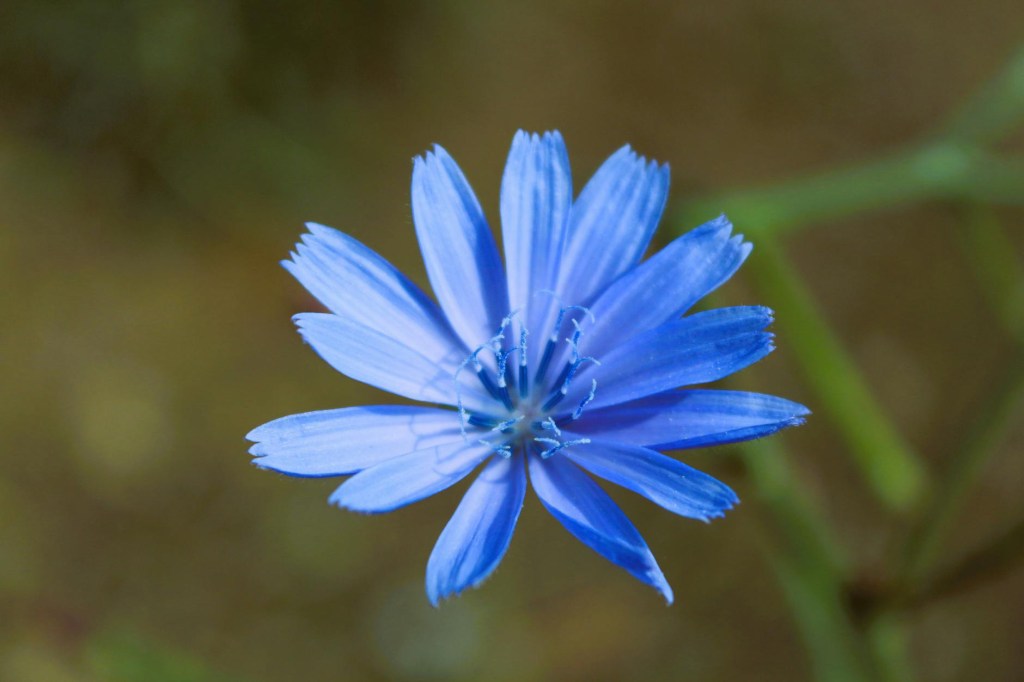
✨ A Few Wonder Sparks to Try: Small Doorways to Wonder
The good news is that wonder rarely demands dramatic action.
More often, it appears through small shifts in attention.
Sky Pause
Step outside for two minutes and look at the furthest thing you can see.
Let your eyes rest there for a moment.
Why it works: Looking into the distance can broaden attention and help interrupt the tunnel vision that often accompanies stress.
Tiny Vastness
Find something small that hints at something much larger: a leaf vein, a shell, a feather, a spider web, or a baby’s hand.
Pause long enough to really look.
Why it works: Wonder often emerges when we notice complexity and beauty in ordinary things.
Curiosity Question
Ask yourself:
“What have I never really noticed about this before?”
Try it while walking, gardening, commuting, or washing dishes.
Why it works: Curiosity shifts the brain from judgement into exploration.
Borrowed Wonder
Ask someone what has delighted, surprised, or fascinated them recently.
Listen carefully.
Why it works: Wonder is surprisingly contagious. Someone else’s perspective often expands our own.
Soundtrack Shift
Choose one piece of music and listen with your full attention.
No scrolling.
No multitasking.
Just listening.
Why it works: Music can evoke awe, emotional connection, and a temporary release from self-focused thinking.
⚡️ Spark Challenge
This week, try keeping a simple Wonder Log.
Nothing elaborate.
Nothing that needs to be shared.
Just one sentence each day about something that made you pause.
Something that caught your attention.
Something that felt bigger than the moment.
You might try:
- Writing “Today I noticed…” in your journal.
- Taking one photo each day of something that sparks wonder.
- Sharing a moment of wonder with someone else over coffee or dinner.
The goal isn’t to create more wonder.
It’s simply to notice how much of it is already present.
I’ve been journaling daily lately, and I’ve noticed that many of the most meaningful entries aren’t about major events. They’re about moments I almost missed.
A conversation.
A bird.
A patch of autumn light.
A small reminder that life is often richer than the stories running through my head.

One Last Thought
We often imagine that transformation arrives through dramatic change.
A new habit.
A new plan.
A new version of ourselves.
Sometimes it does.
But sometimes the shift is much smaller.
Sometimes it begins with looking up.
A moment of wonder won’t solve every problem. It won’t eliminate stress or uncertainty. Yet it can create a little breathing room around them. A little more perspective. A little more sky.
And that matters.
Because life is not only shaped by the big turning points.
It is also shaped by the small moments that quietly remind us what it means to be alive.
Wonder is a spark you can always return to—sometimes hidden, always waiting.
 The Spark Effect
Leave a comment